


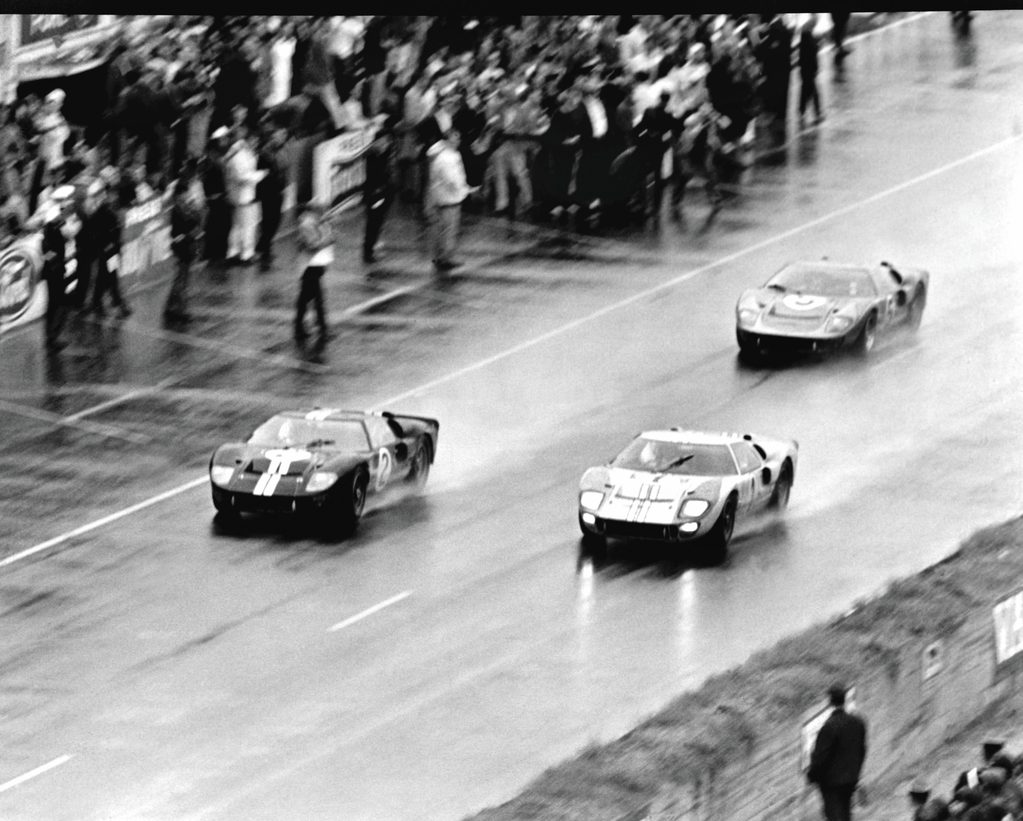
FROM OUR FORMATIVE years here in the good ol’ USA, many of us Americans have a strong desire to win. We live in a country that breeds a strong competitive spirit which becomes present in much of what we do. In the realm of automobiles, winning is easier said than done, with strong competition coming from everywhere on Earth. With so many big players in the automotive industry today, it’s likely that most of your favorite vehicles were built outside of the U.S. — but not all.
Many supercars have been built since the Lamborghini Miura first brought the term to light in the 1960’s, and each car seems to outdo the previous one. The arms race in the supercar world has continued to get increasingly ridiculous, with horsepower figures above 1000 becoming a bit of a commonality. However, there is one supercar lineage that has always seemed to be unconcerned with competition, so long as the competition crosses the finish line behind it: the Ford GT40.
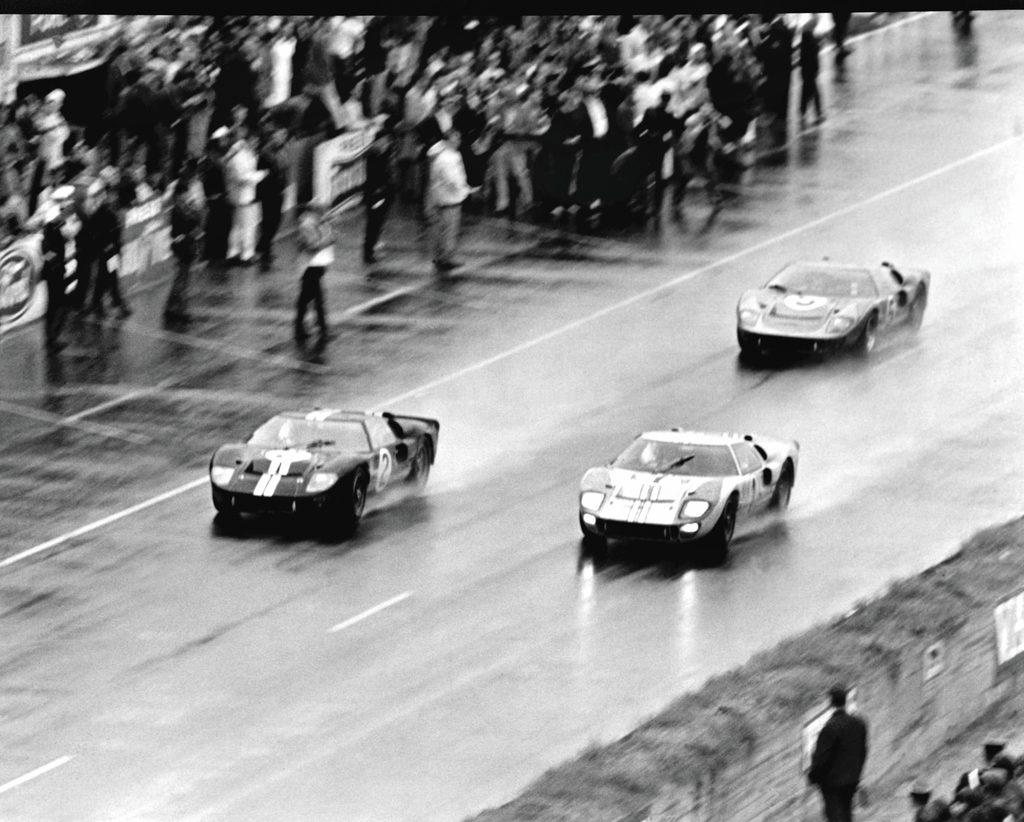
Sixty years after the first Ford GT40 swept the podium at the 24 Hours of Le Mans, all three generations have found their own niche, and each of them aged gracefully to become icons in their own way.
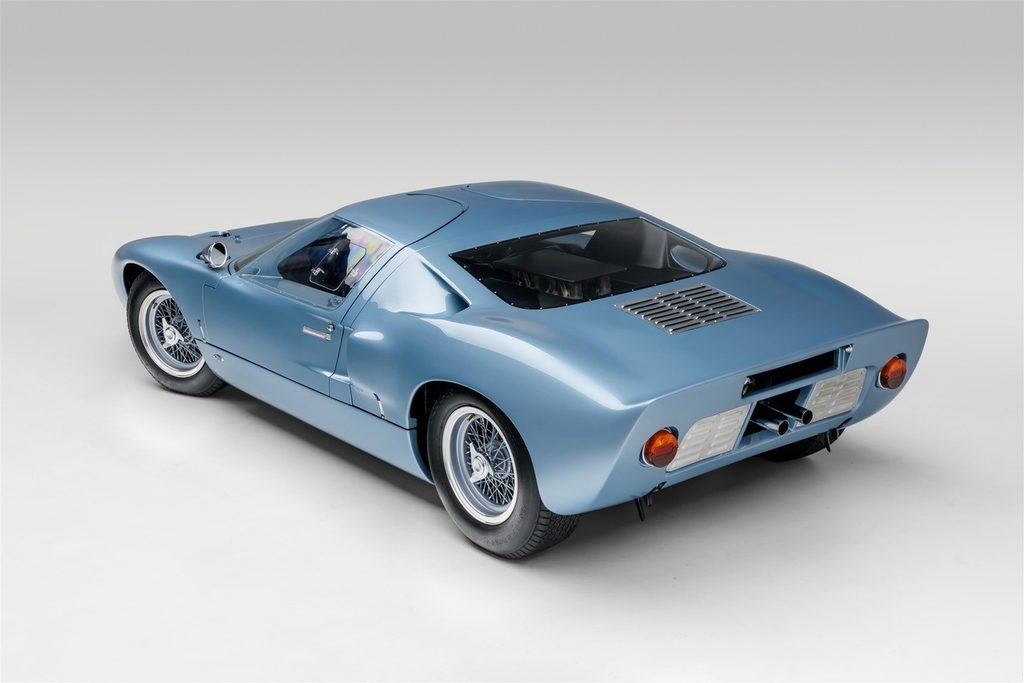
As we know from the film “Ford vs Ferrari,” the original GT40 was created with the sole purpose of beating Ferrari at Le Mans, and seemed to accomplish that goal with ease, winning the challenging endurance race from 1966 through 1969.
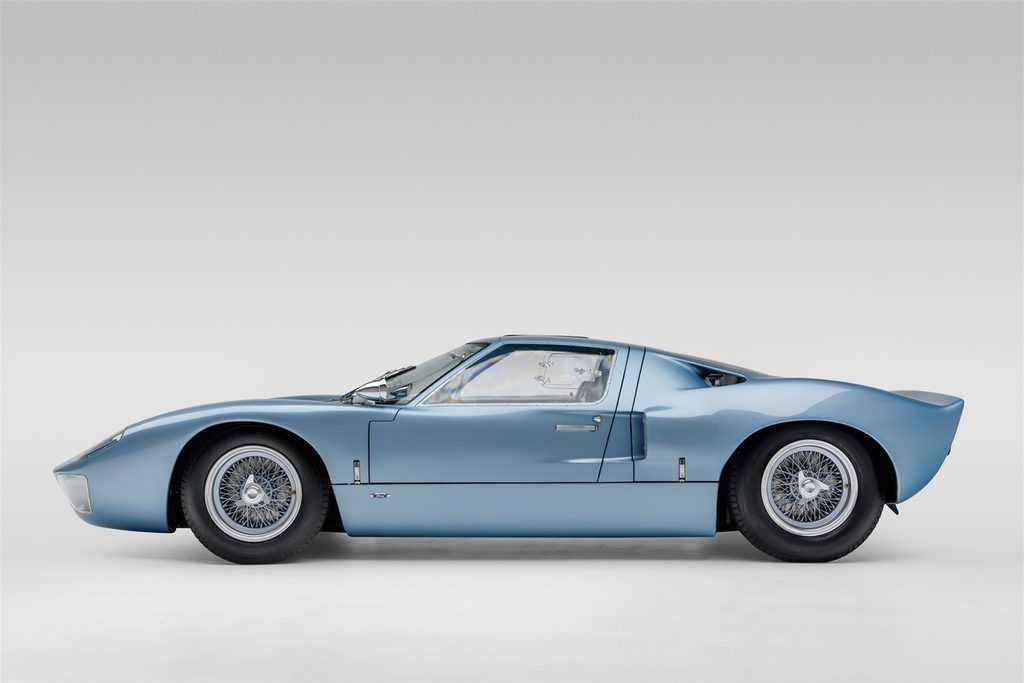
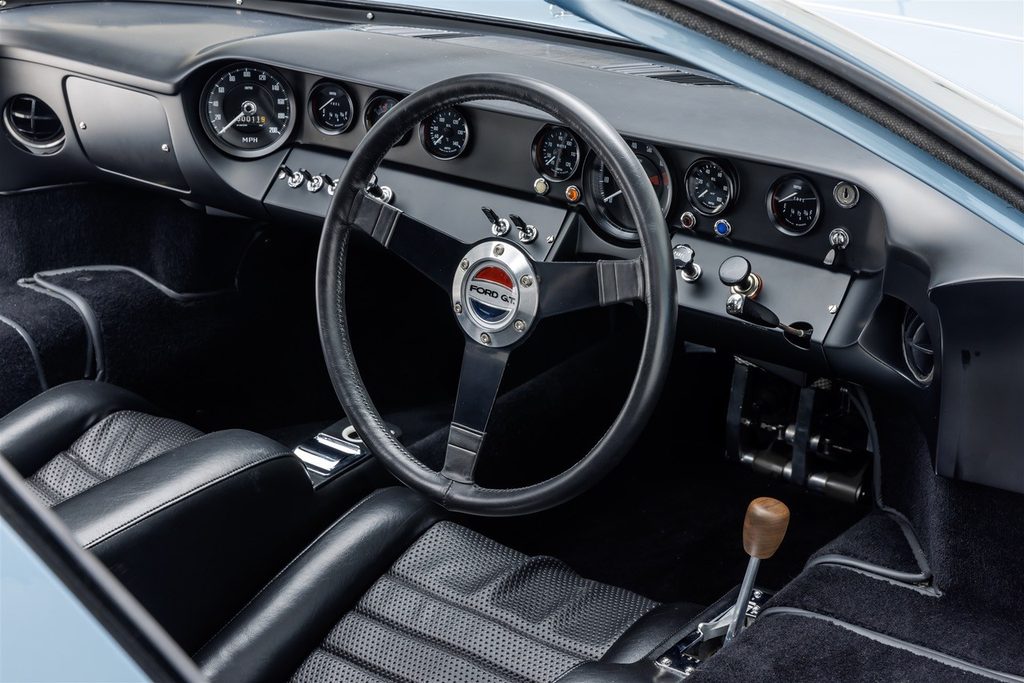
The cars were obviously built with an endurance racing focus and piloting them offered an exciting but predictable driving experience for the period; perhaps getting into the cockpit is the most challenging part of the drive. Hiding a fuel tank underneath each door sill, getting into the driver’s seat requires a modified version of the tuck and roll. The thin leather seats sit right next to each other, making the cabin feel extremely tight (even for me, who on dating apps is listed at 5’9″ [with shoes on…]). The seating position is very 1960’s sports car; the seats are stationary with nothing to adjust. The driver is forced to lean back in the seat with their arms nearly straight to work the steering wheel.
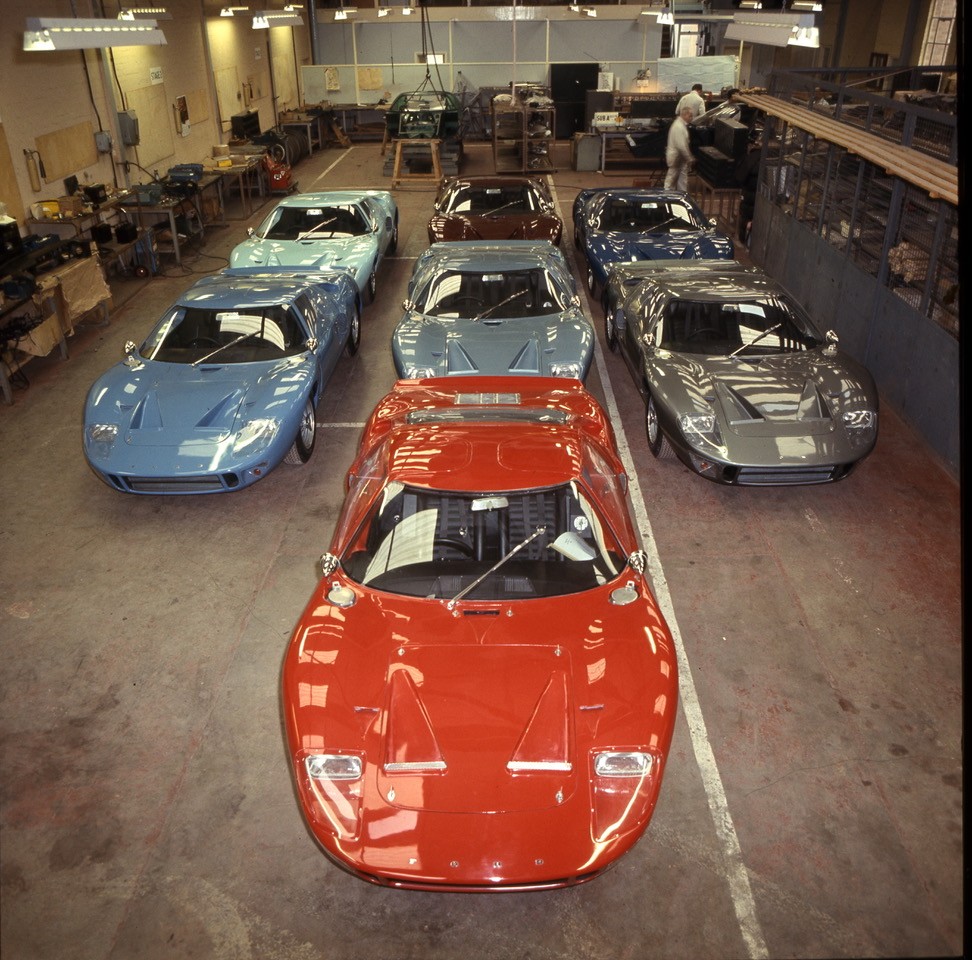
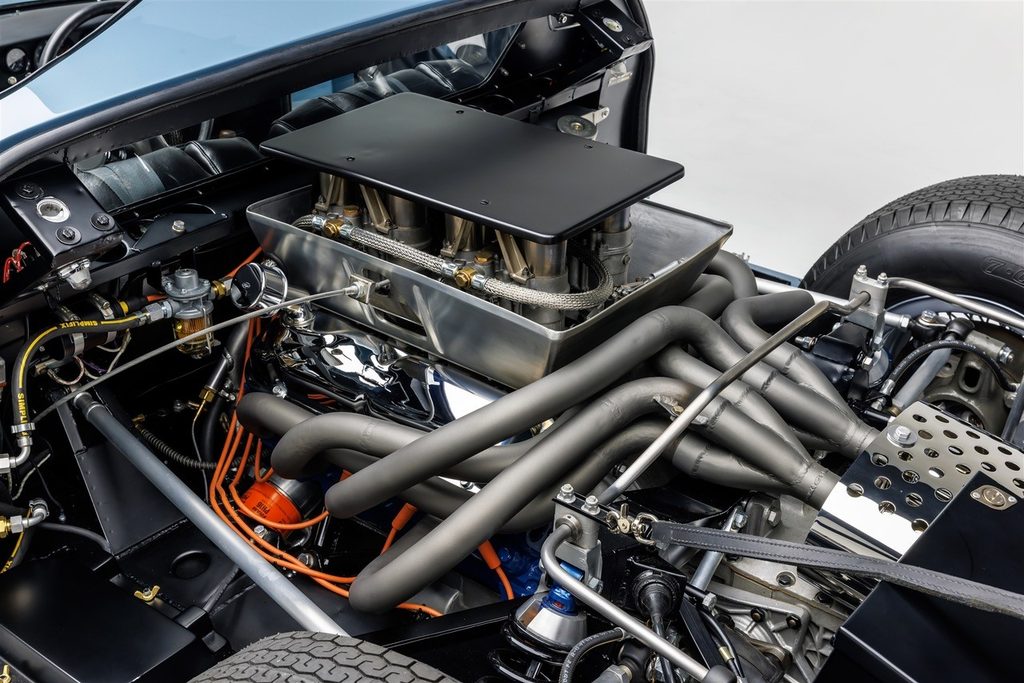
The GT40 moves with a little bit of muscle car DNA, but once underway, everything makes sense. The 289 V8 growls along, and because of its light weight, the car manages its weight very well with minimal under or oversteer regardless of speed. While a bit awkward to get used to, the GT40 is extremely rewarding once you get comfortable, allowing you to feel like the Le Mans champion you never were.
The middle child of the group is the only GT that wasn’t built with plans to race. The car is visually bulkier than the other two, and for many, is considered solely a straight-line car, which couldn’t be further than the truth. The 2005 iteration is the GT I’ve personally had the most seat time with, and even with low mileage examples selling for over half a million dollars today, I still believe it’s an underrated driving experience.
The cockpit of the 2005 car is easy to get comfortable in, and quite easy to drive as well. All inputs are extremely light; the clutch travel is buttery smooth and light, the gearshift is straight forward and the steering loads up nicely. What you notice immediately after setting off is how long the gear ratios are — you can achieve nearly 100 MPH in second gear! This provides an experience that is quite boring around town, though extremely inviting for a road trip (even though there isn’t much room for anything besides you and a co-pilot.)
At highway speeds, you can cruise along in basically any gear you’d like, with the ability to pass anything in sight whether you want to downshift or not. The handling of the 2005 car surprised me greatly; the car seems to want to turn in more as you continue to add steering. These are certainly not one trick ponies, and they are able to be driven hard without worrying about the next service appointment, unlike other supercars of the day such as the Ferrari Enzo or Porsche Carrera GT.
Built as a race car first and later modified for the road, the latest GT was again built to win at Le Mans, and in storybook fashion, Ford was able to accomplish this — 50 years after the original GT40 won for the first time. From the driver’s seat, the newest and oldest iterations feel a bit similar. Seats are also fixed in the new model, but the pedals and steering wheel adjust to meet shorter drivers allowing a comfortable driving position with bent arms.
The amount of technology in this car is a bit staggering compared to past models, and it’s immediately felt as soon as the engine turns over. Upon its release, the 3.5-liter twin-turbocharged V6 took a lot of slack, leaving behind the V8 nostalgia of the past. But lighter weight, smaller size and better fuel economy on the racetrack will almost always win the argument. The car is potently quick and is, frankly, one of the best handling cars in the world at any speed; it has a very advanced suspension that allows the car to perform at a world class rate in various conditions.
Electronic variable spool valve dampers, torsion bars and coil springs work together with the dual wishbones at each corner, offering unique spring rates for each ride height. While the new GT is extremely advanced all throughout, behind the wheel it feels very natural and allows you to attack any driving environment with ease.
Each of these three cars have been able to stand the test of time in their own ways, from the Le Mans champion that took the crown from Ferrari, to the early 21st century analog beast, to the advanced alien in the newest iteration. Each of these three have carved their own path in history without trying to be something they aren’t, hypnotizing generations with their looks and performance. Perhaps most importantly, each of these GT’s have made us proud that they represent the good ol’ USA.
About The Author


More Stories
Deam Big or Go Home
Echoes on the Green
An Introduction To FIVA