


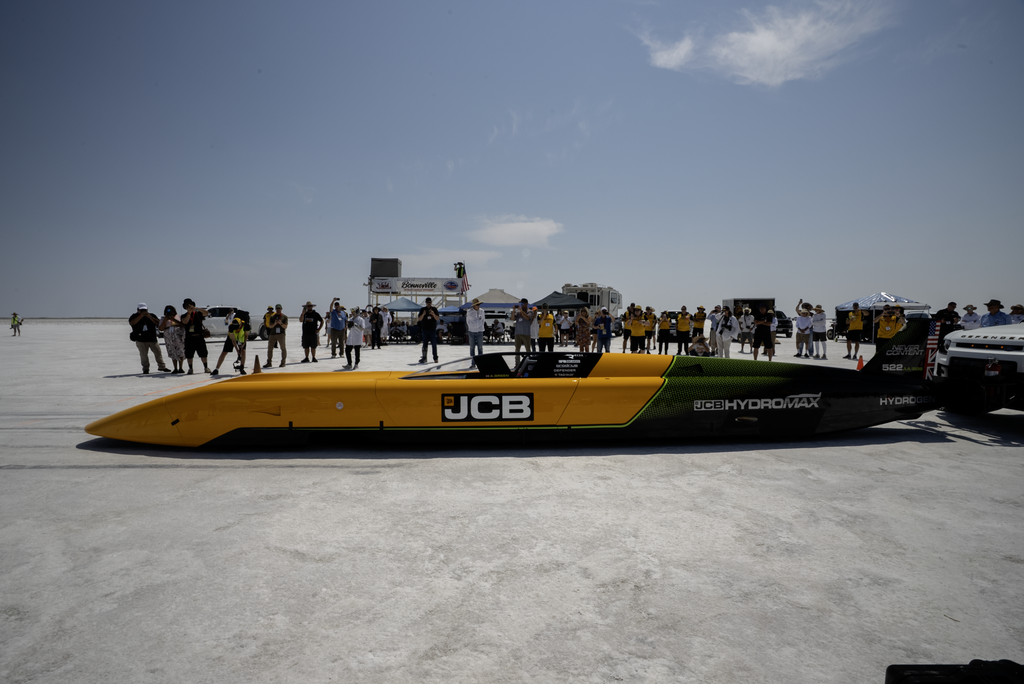
ON AN ORDINARY Wednesday in the middle of July, I received an email from a marketing agency based in the United Kingdom. Albeit odd, I found the subject line intriguing enough: “Invitation: JCB Hydromax World Land Speed Record Attempt, Bonneville Speed Week.”
Ever since I was a child, I’ve dreamed of going fast at Bonneville. Well, anywhere, really, but the Bonneville Salt Flats are at the top of the list. How fast? 250 miles per hour or more sounds fun, but anything past 300 is where I assume I would lose my nerve. Speeds like that are reserved for mad men and pilots, neither of which are ways I would refer to myself.
I would, however, describe myself as old fashioned in the sense that I have a strong contempt for electric vehicles and the concept of a new car market being void of internal combustion engines is something I never want to see happen. The idea of a hydrogen-powered, zero-emission, internal combustion engine in a high-performance application offers real hope for the future.
The Backstory
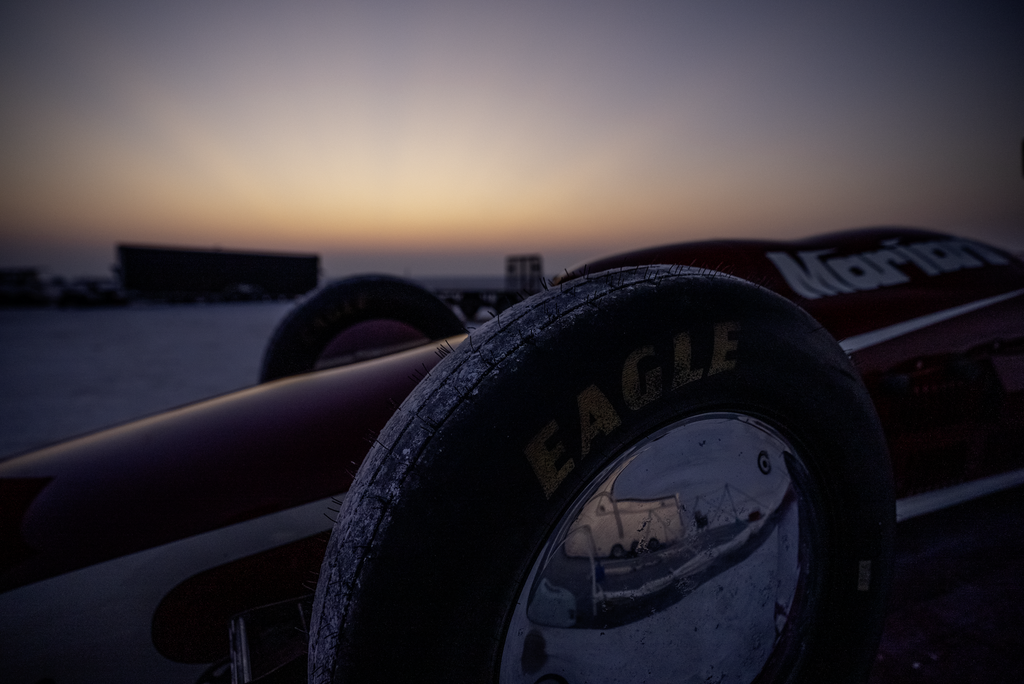
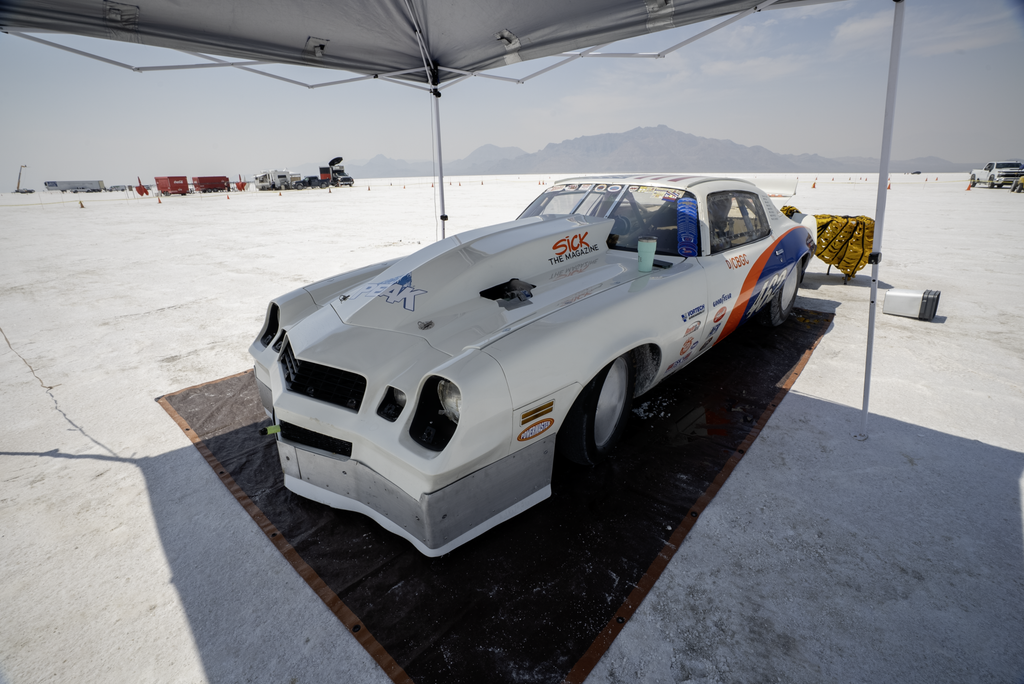
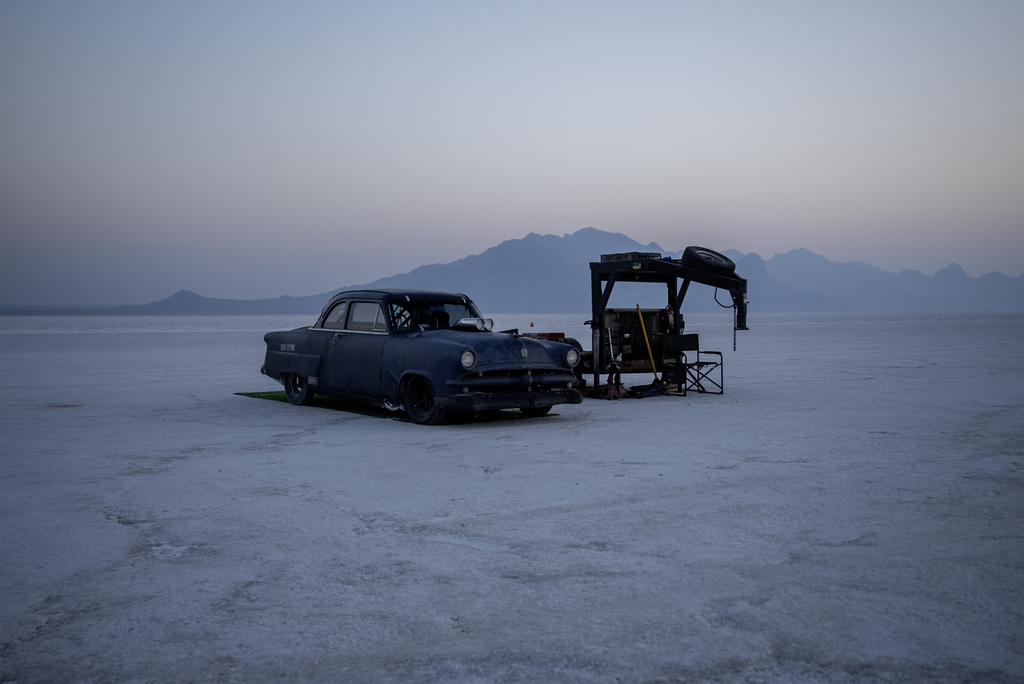
Bonneville Speed Week takes place in Wendover, Utah, just over the Nevada border. Within the Great Salt Lake Desert, there’s a stretch of flat, packed salt about twelve miles long and five miles wide. Every August, dozens of racers bring out a varying selection of severely modified vehicles ranging from motorcycles and classic hot rods to projectile-esque streamliners and the occasional motorhome, all with the hope of breaking straight-line speed records, marked by double and triple-digit miles per hour. In charge of maintaining the rules and records during Speed Week is the sanctioning body of the Southern California Timing Association.
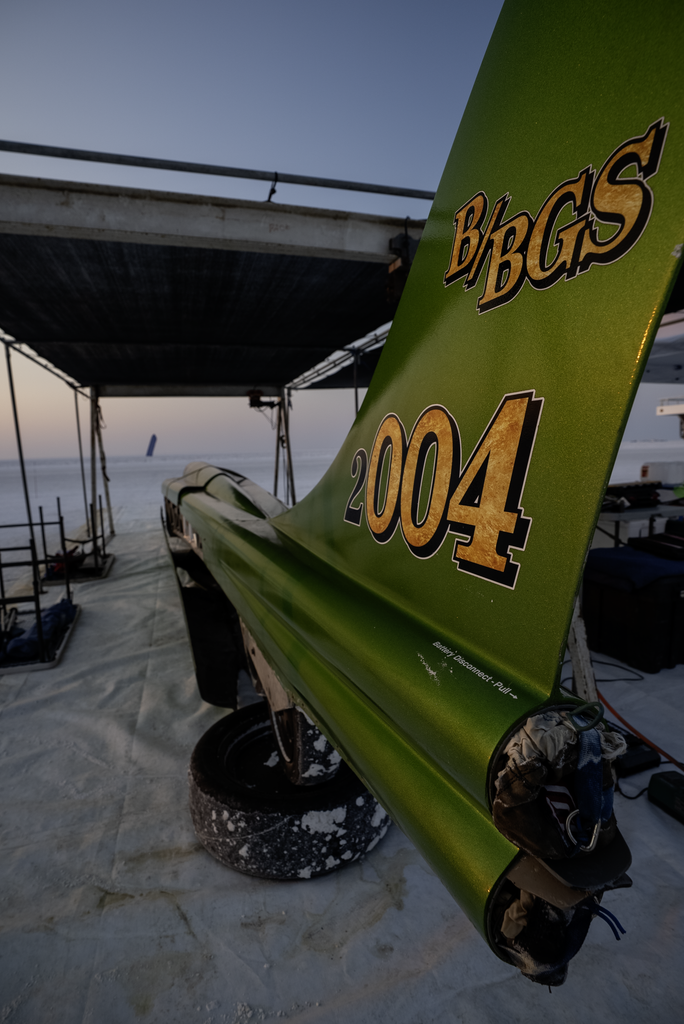
As you can imagine, streamliners are the fastest cars on the salt, and they look more like aeroplanes with the wings sliced off than anything you will find on public roads. My use of British English to reference airplanes is because a streamliner’s only purpose is to be fast in a straight line, and the best way to achieve speed lies within the shared prefix of aerodynamics.
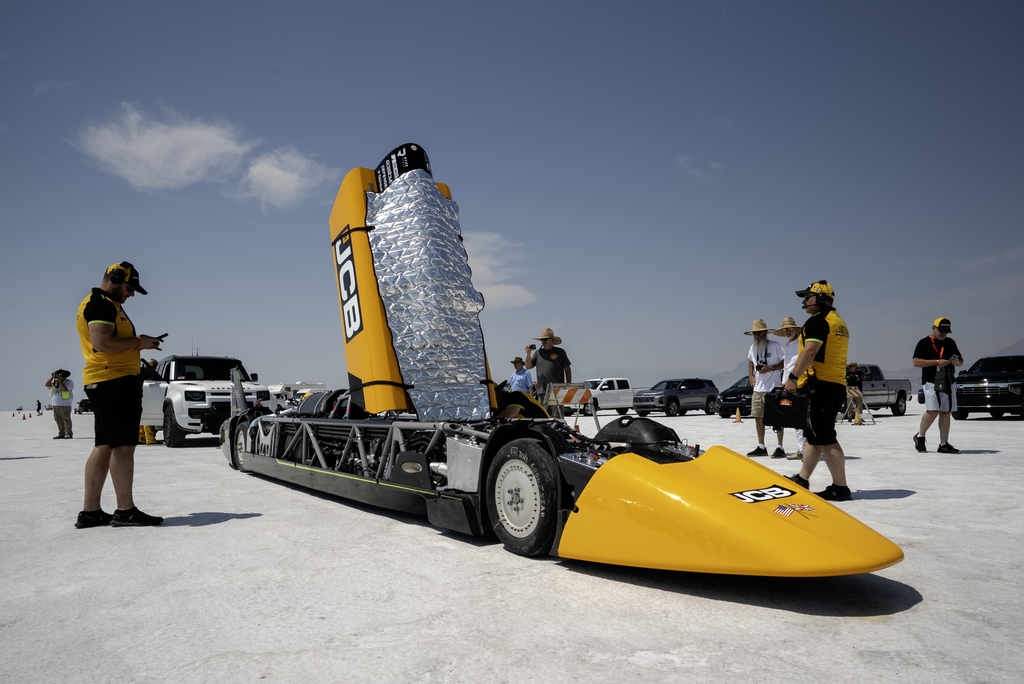
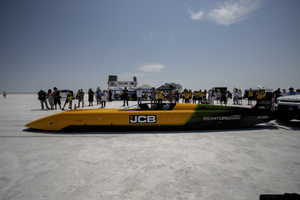
Without getting overly technical, they are long, smooth, sleek shapes with covered wheels and incredibly low drag coefficients. JCB’s HydroMax resembles that of a horizontally-laid obelisk with a slightly chiseled nose that provides just enough downforce to prevent front-end lift.
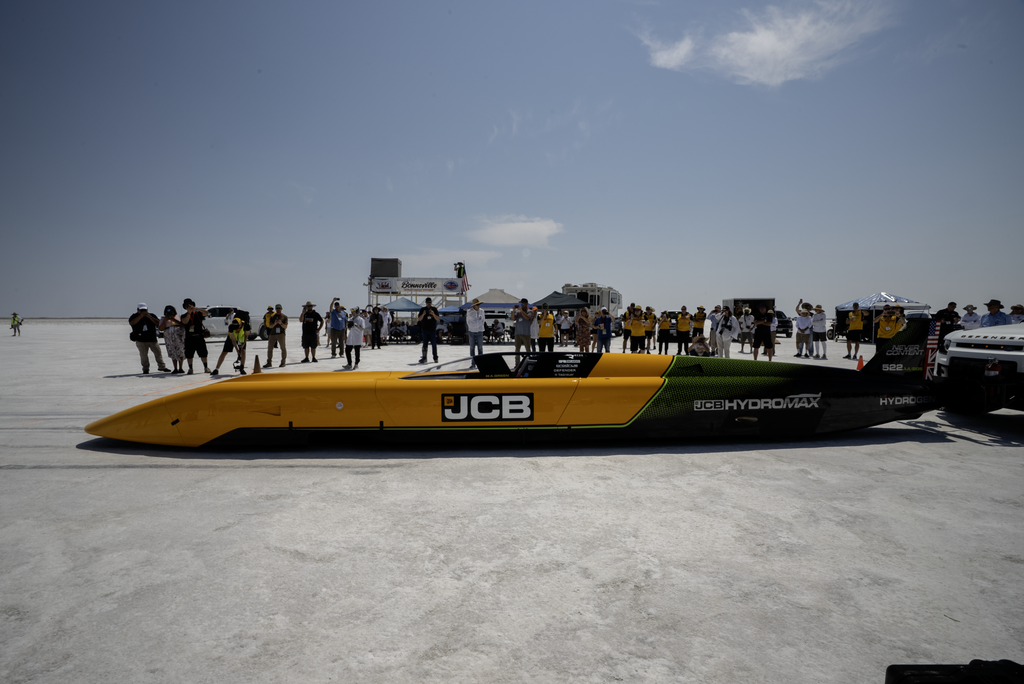
Now, if you’re unfamiliar with JCB, you might assume it’s a race team. If you’re familiar with JCB, you might be wondering what a construction equipment manufacturer has to do with racing. The truth is that JCB is no stranger to the salt. Twenty years ago, their diesel-powered streamliner, appropriately named DieselMax, set the current standing diesel speed record at 350.092 mph.
On a professional and conscientious level, the reasoning for JCB to be involved with land speed records and high performance can easily be explained by the benefits to product development and remaining ahead of the environmental curve as best they can.
On a personal level, I think JCB’s chairman Lord Anthony Bamford has a need for speed typical of a true automotive enthusiast, and his way of filling it is vicariously through the fastest man on earth — former Royal Air Force fighter jet pilot, Wing Commander Andy Duncan Green OBE.
Man, Machine, and a Goal
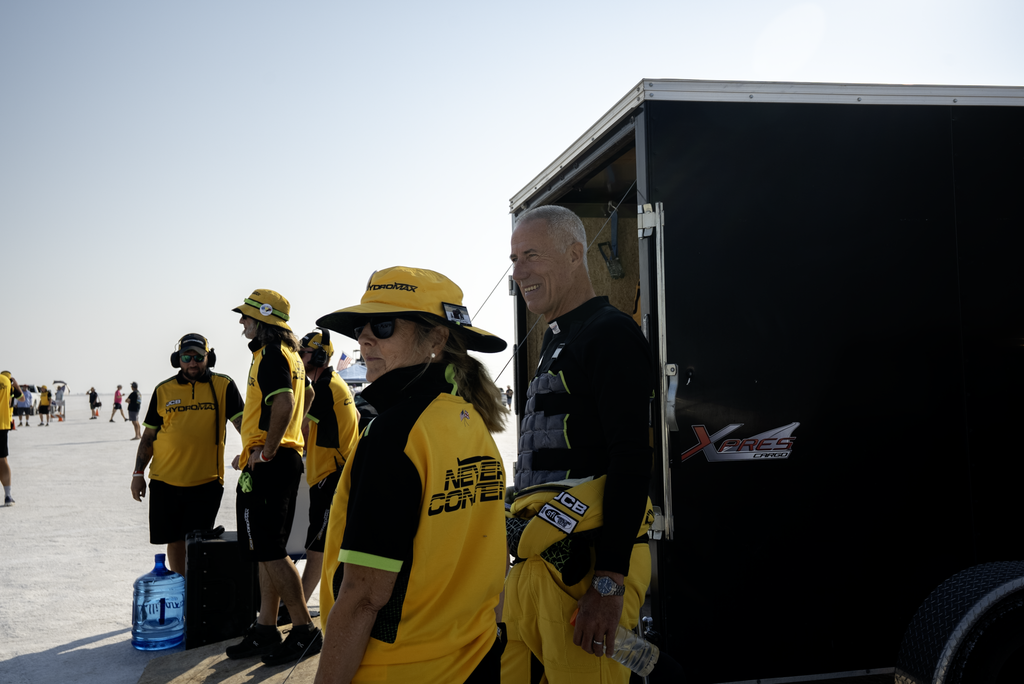
Andy Green is not only a decorated airman, but as the driver of the Thrust SSC (SuperSonic Car) in 1997, he also remains the absolute world land speed record holder at 763.035 mph and the only person to break the sound barrier on land. With accolades like that, he was the clear choice for this endeavor.
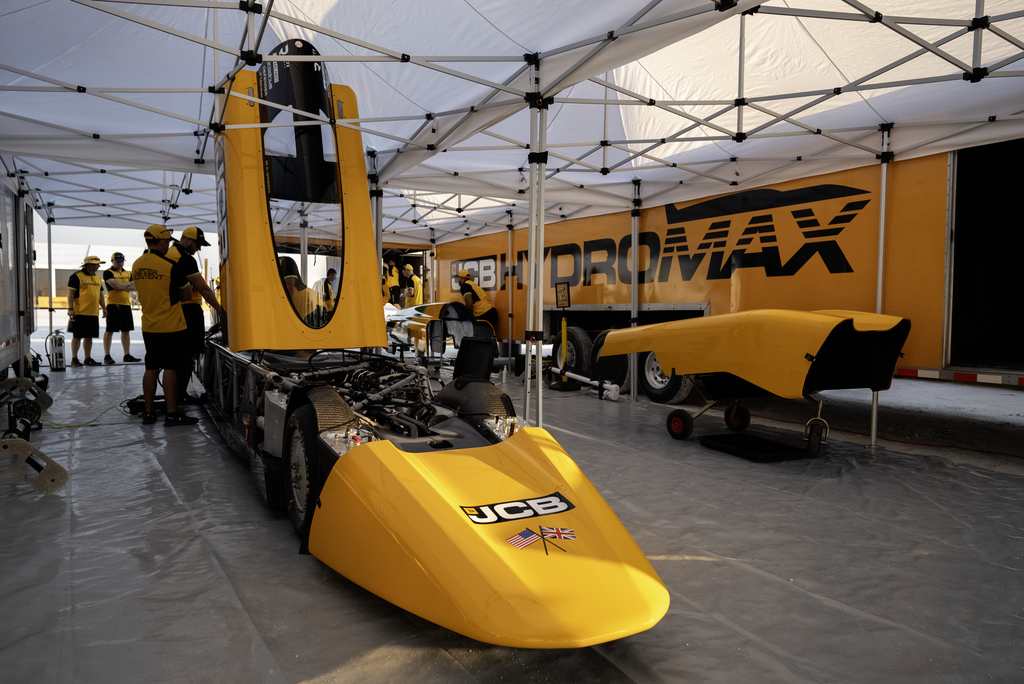
Green’s steed on this record attempt, the JCB Hydromax, is a four-wheeled, twin-engined, 1600 horsepower, 32-foot-long steel frame, carbon tubbed and bodied streamliner built in conjunction with famous motorsport and engineering groups, Prodrive, Xtrac, and Ricardo. The surprising nature of its powerplant, or rather powerplants, can only be best described by the man behind the controls. Luckily, I had a chance to interview him.
“They [JCB] have taken their 74-horsepower, hydrogen-powered engines and tuned them up to do 800 horsepower, put two of them in the same car… and we’re going to run it up about 350 miles an hour with, go back to the start of that sentence, JCB construction digger engines. That is an extraordinary achievement itself,” Green told me.
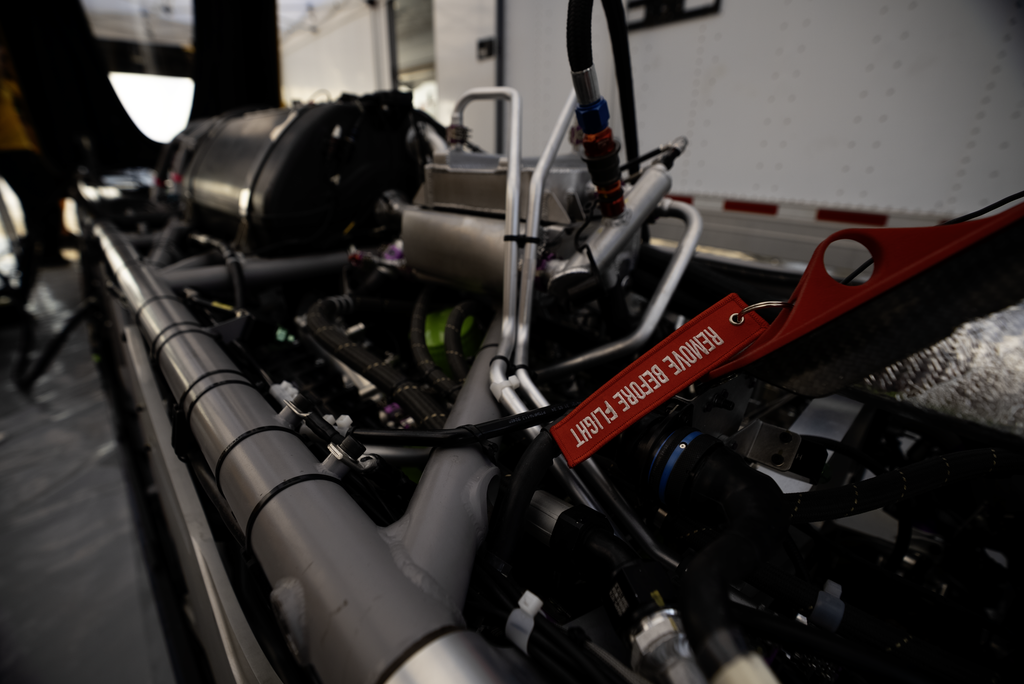
Obviously, in order to uprate the engines from 74 hp to 800 hp, they were modified to the nth degree, but it’s worth noting that at their core, they are indeed engines from construction machinery. Originally derived from JCB’s diesel engine platform and developed to run on hydrogen in their production vehicles, these 4.8 litre, turbocharged inline four-cylinders were subsequently built for all-out performance by the engineers at Ricardo.
Weight, cooling, fueling, and lubrication were all addressed. The pushrod valvetrains were replaced by dual-overhead cams, redline of the engines was increased from 2,000 RPM to 4,000, port-injection was swapped for direct injection which allowed for more rapid fuel burning, the intercoolers were ditched for more efficient charge cooling systems, and finally a dry sump design allowed for the engines to be turned on their side, effectively lowering the car’s center of gravity and increasing its aerodynamic capabilities.
Funny enough, despite all these modifications, the crankshaft remains identical to the ones you would find in JCB’s diesel and hydrogen excavators. This further solidified the goal of the land speed record attempts — to prove the validity of hydrogen power. Green parroted this sentiment when he explained: “It’s also showcasing world class engineering; the sort of engineering that is going to solve all of the technology and environmental problems we have for the future.”
The Record
There were multiple runs over the course of two days. The first couple were shakedowns, testing a newly installed front engine. Then, license runs. Yes, even former Wing Commander Andy Green, the fastest man on four wheels, must prove that he and his car can safely manage and maintain high speeds at intervals. No surprises, Green hit the mark each time and proved the car was ready.
Next, came the reason we were all there — record attempts. The first few didn’t seem fruitful based on the target speed JCB had set for themselves, and come mid-day it looked as though they wouldn’t be making any 300 mph pass before media personal was scheduled to depart, never mind 350 mph. In reality, Green was easing into what the streamliner was capable of and allowing the engineers to observe every component of the vehicle and the aspects of how it was responding to the track surface — assuring they would handedly break the record.
With a sense of drama, almost like it had been scripted, JCB was slotted in as the final run of the day. The team regrouped and began prepping HydroMax for its 350mph SCTA “Blown Gas Streamliner” record attempt. While the majority of the media crew went to the start line, a handful of us posted up at a mile marker more than halfway down the track. The thought of seeing the streamliner fly past at speed was extremely appealing. We watched as HydroMax was pushed off the line and waited briefly to see it pick up the pace. However, it never did, and we heard a voice come over walkie-talkie dejectedly stating, “run aborted.”
That was it. We wouldn’t witness a record run. We loaded back into the van and headed for the hotel. Just as we reached the turnoff nearest to the starting line, we got the news — they were going to make one more attempt. We parked up and hurried to the line. For some reason, with a little less pomp and circumstance and a much smaller crowd, this run felt promising despite the recent failure to launch.
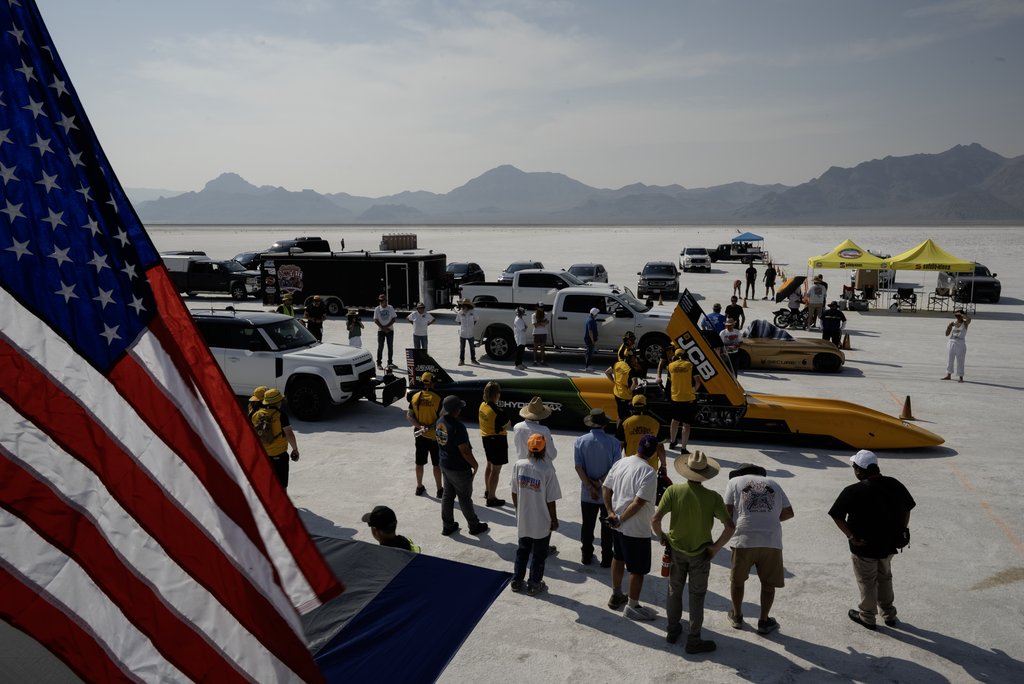
The JCB team went back through their routine: ice down the charge coolers, check over everything once, twice, three times for good luck, cycle the engines and warm them in anticipation of takeoff — and just like that, they were running down the track again. We gathered around the timer’s tent to hear the speed checks called out through the mile markers:
“Car number 522 through the traps at 262.505, that’s mile two. Two and a quarter, 298.327. Mile three. Come on, Andy! Can you get there? 312.105. He’s getting real close; he’s got two miles to go to get to that 348. Come on, Andy Green, kick those horses…. He’s right there on the front porch — 343.012. He’s got one mile to go to get to that 348 to qualify for the record. Can he do it? Holy cow! 367.141! 367.141 with a 370.681 exit speed. Great job, Andy Green and the JCB HydroMax team! Congratulations!”
Green and JCB had accomplished what they set out to do that week, but they weren’t done yet. Come Monday morning, they would be back on the salt with a bigger challenge — pursuing an officially recognized world record under Fédération Internationale de l’Automobile (FIA) regulations.
The Record
The following week, all who were present for the SCTA runs, including myself, watched from afar as JCB pulled to the starting line for their FIA record attempt. The added difficulty of an FIA record is that a car must complete two runs back-to-back and set an average greater than the previous record. In our minds, an average matching the SCTA record at around 368 mph was still the goal. A mere 185.5 miles per hour was all that was needed to beat the record BMW’s H2R set in 2004. So, you can imagine the shock and influx of great pride when HydroMax demolished both the BMW’s record and its own SCTA record, coming in at a top speed of over 410 mph with an average of 406 mph.
It’s not every year that records like this are set. In fact, as this case showed, it often takes decades for land speed records to be broken. When you really sit and think about this one, along with the potential impact of the technology and engineering behind the run, it’s remarkable. When you learn from Andy Green that track distance was the main limiting factor and only 1400 of the available 1600 horsepower was used to set the record… that’s plain crazy.
JCB didn’t just show up to Bonneville to make history; they provided an avenue to a future of zero emissions and a viable future of high-performance that no longer looks bleak for enthusiasts.
About The Author


More Stories
Striving for PERFECTION
Car culture, not just preservation, is the future
The Life of Ray Evernham